

How Cybersecurity Firms Use AI to Detect and Prevent Advanced ThreatsHow Cybersecurity Firms Use AI to Detect and Prevent Advanced Threats
Cyber threats are no longer simple or predictable. Attackers now use automation, stealth tactics, and constant adaptation to bypass traditional defenses. This shift has pushed cybersecurity firms, including those offering cybersecurity services in Boca Raton, to adopt more advanced tools. Among these, artificial intelligence stands out as a powerful solution. AI helps detect threats faster, respond with precision, and reduce human error. It allows security teams to keep up with attackers who operate at machine speed.
AI-Powered Threat Detection
 Cybersecurity firms rely on AI to analyze large volumes of data in real time. Networks generate massive logs every second. Manual review is no longer practical. AI systems scan this data and identify patterns that indicate suspicious behavior. Unlike rule-based systems, AI does not depend only on predefined signatures. It learns from past incidents and adapts to new ones. This makes it effective against unknown threats. For example, AI can detect unusual login attempts, abnormal file access, or irregular traffic spikes. These signals often point to a breach in progress. This approach allows firms to detect threats early.
Automated Incident Response
Speed is critical in cybersecurity. A delayed response can lead to data loss or system damage. AI helps automate incident response, reducing reaction time. When a threat is detected, AI systems can take immediate action. They may isolate affected devices, block malicious IP addresses, or disable compromised accounts. These actions happen within seconds. Automation also reduces the workload for security teams. Instead of handling routine alerts, analysts can focus on complex cases. This improves overall efficiency and decision-making. It also helps organizations maintain strong defenses even with limited resources.
Predictive Intelligence and Threat Prevention
AI is not limited to reacting to threats. It also helps predict them. Cybersecurity firms use predictive models to analyze trends and identify potential risks before they occur. These models study past attacks and threat intelligence data. They look for patterns that suggest future activity. For example, if a certain type of malware is spreading in one region, the system can warn other organizations. Predictive intelligence allows firms to strengthen defenses in advance. It helps patch vulnerabilities and adjust security policies. This proactive approach is key to staying ahead of attackers.
Machine Learning and Behavioral Analysis

Machine learning, a core part of AI, focuses on recognizing behavior. Cybersecurity firms use it to build baseline profiles of users and systems. These profiles represent normal activity. When behavior changes, the system raises alerts. For instance, if an employee suddenly accesses sensitive data at odd hours, the system flags it. This method helps uncover insider threats and compromised accounts. Behavioral analysis is effective because attackers often try to blend in. They may use valid credentials to avoid detection. Machine learning identifies subtle differences that humans might miss. It adds a deeper layer of defense without slowing down operations.
Reduced False Positives and Improved Accuracy
One of the biggest challenges in cybersecurity is dealing with false positives. Traditional systems often generate too many alerts. This can overwhelm security teams and lead to missed threats. AI improves accuracy by refining its analysis over time. It learns which alerts are relevant and which are not. This reduces noise and helps analysts focus on real issues. Fewer false positives also improve response time. Teams can act quickly without second-guessing alerts. This leads …


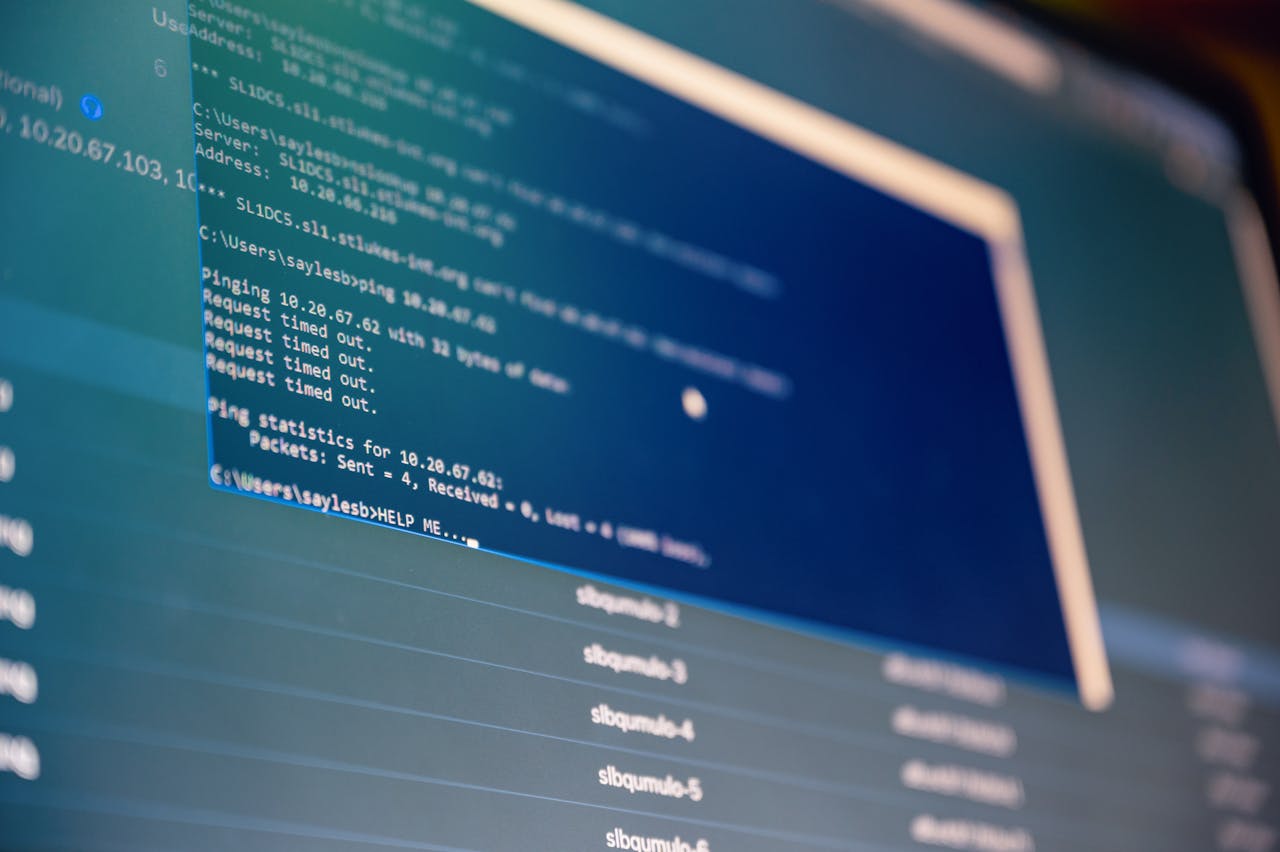
 Privacy and security are top priorities for many users today. Seedboxes shine in this area, offering enhanced protections that traditional file-sharing methods often lack. By using a seedbox, your IP address remains hidden from prying eyes. This anonymity is crucial when downloading or sharing files online. It allows you to enjoy peace of mind knowing your personal information isn’t exposed. Moreover, most seedboxes come equipped with strong encryption protocols. It means that any data transferred is safeguarded against unauthorized access. For tech-savvy users focused on protecting their digital footprint, these benefits make seedboxes an indispensable tool in modern file management strategies.
 Tech-savvy users are always on the lookout for efficient solutions to manage their files. Seedboxes have emerged as a popular choice due to various compelling features that cater specifically to their needs. Seedboxes represent not only advanced technology but also an innovative solution tailored for modern-day file management challenges faced by savvy users today. Their unique blend of privacy protection, high-speed transfers, and accessibility makes them an ideal choice in the ever-evolving world of digital storage solutions.…
 Artificial intelligence (AI) is no longer just a buzzword in tech—it’s transforming how music is created. AI-powered tools are being used to help composers, producers, and even artists generate new sounds, lyrics, and melodies. These tools can analyze vast amounts of music data, learning patterns, and styles from various genres, and then use that knowledge to create fresh compositions. Some musicians are using AI to help them brainstorm new ideas, while others are allowing machines to compose entire songs. For example, platforms like OpenAI’s MuseNet can generate music in any genre, from classical to pop, based on simple prompts.



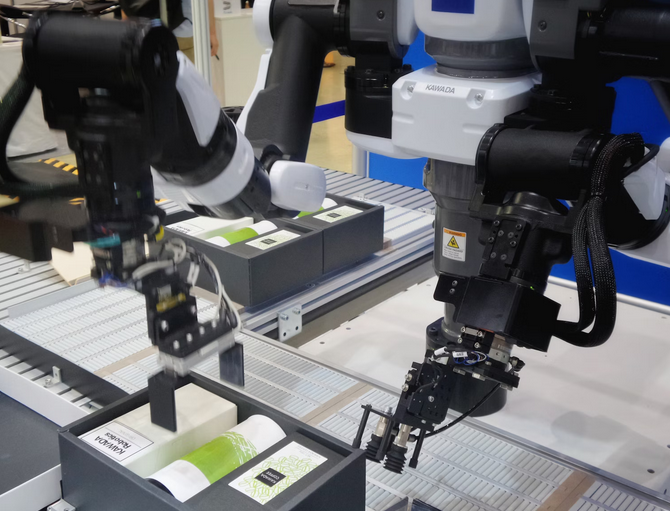








 Digital forensics is a type of technology used to investigate computer-based crimes. It enables police departments to analyze digital evidence and extract data that can be used for criminal investigations. This type of software gives officers access to critical information about suspects, such as correspondence, personal files, browser history, and more. It also allows them to track down the sources of digital evidence and uncover potential leads.
 Next, we have ShotSpotter. This is a type of software that can detect and locate gunshots in real-time. It uses acoustic sensors to determine the exact location, time, and the number of shots that have been fired. This information helps police respond faster and more accurately when someone is shooting in public areas or neighborhoods. Moreover, it also allows officers to track down the shooter and ensure that the situation is handled as quickly and safely as possible.